How should the stove mouth orientation be read? Three judgements on stove position and burner direction
KarmaSpace translation
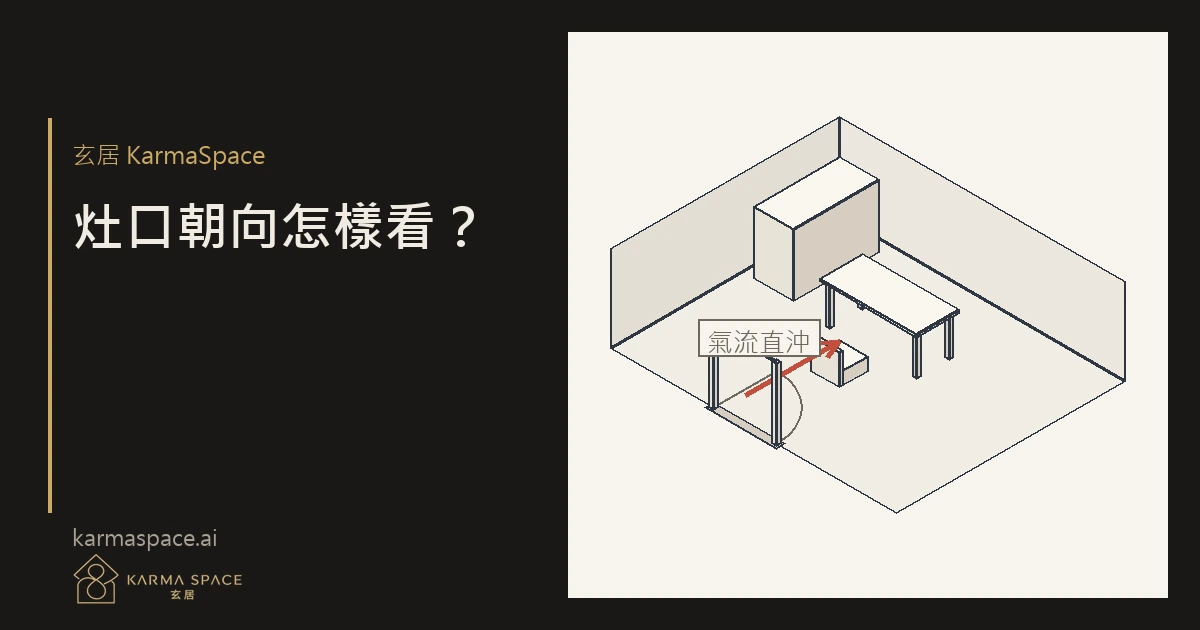
Stove position and burner orientation really come down to where your body faces when you stand at the stove. Three key points: do not have your back fully to the kitchen entrance, do not have the burner facing a window that can be opened directly, and pay attention to which areas the fire axis passes through. In most cases it is enough to adjust your standing position, add a half-height screen or a low cabinet; there is no need to move the stove.
What is most often overlooked in a kitchen is not the airflow of the range hood, nor the height of the counter, but the direction the stove itself faces. After moving into a new home, most people only pay attention to whether the flame is strong enough and whether the cookware is handy, and rarely look up to confirm whether, when standing in position, their body is facing a wall, a window, or the walkway leading to the dining area.
In traditional date selection and feng shui literature, stove position and burner orientation are mentioned repeatedly, but the accounts diverge: some hold that the stove mouth should face outward, some insist it should face inward, and some schools calculate it from the year of birth or the house hexagram. The common observation behind these rules is in fact the relative position of the stove fire and the person, and the airflow and line of sight the fire source creates in the space.
This article does not intend to restate the conclusions of any one school, but rather to break stove position and stove mouth orientation down into measurable spatial conditions: when you stand at the stove, where your line of sight and body axis point, and which areas that axis passes through. This angle determines whether you have your back to the doorway while cooking, whether you are disturbed by window drafts, and also affects the dispersal path of cooking fumes and heat.
Stove mouth does not mean the front of the stove
First, let us clear up a common misunderstanding: the stove mouth is not the knob panel above the stove, nor is it the location of the ignition switch. In a traditional stove, the stove mouth is the opening through which firewood is fed into the combustion chamber, that is, the direction in which the flame emerges. The flame of a modern gas stove points vertically upward, so strictly speaking the stove mouth faces up, but the ancients did not stand above the stove to cook, so this definition must be retranslated in the modern kitchen.
A more practical correspondence is to observe the direction the front of your body faces when you stand. This direction is the fire direction, because your operating axis is parallel to the heated surface of the flame, while the direction your back faces determines how well you command the space.
If the stove is against a wall, you face the wall, the fire direction strikes the wall directly, and the cooking fumes rebound off the wall, with some curling back toward your face. If the stove faces a walkway or dining area, the fire direction runs through the open space, and the fumes and heat have a longer path to disperse, but at the same time they carry smells and warmth into other areas.
Therefore, the real question of stove mouth orientation is not which direction is auspicious, but whether this fire direction axis passes through places you wish to keep clean or quiet.
The practical cost of having your back to the doorway and windows
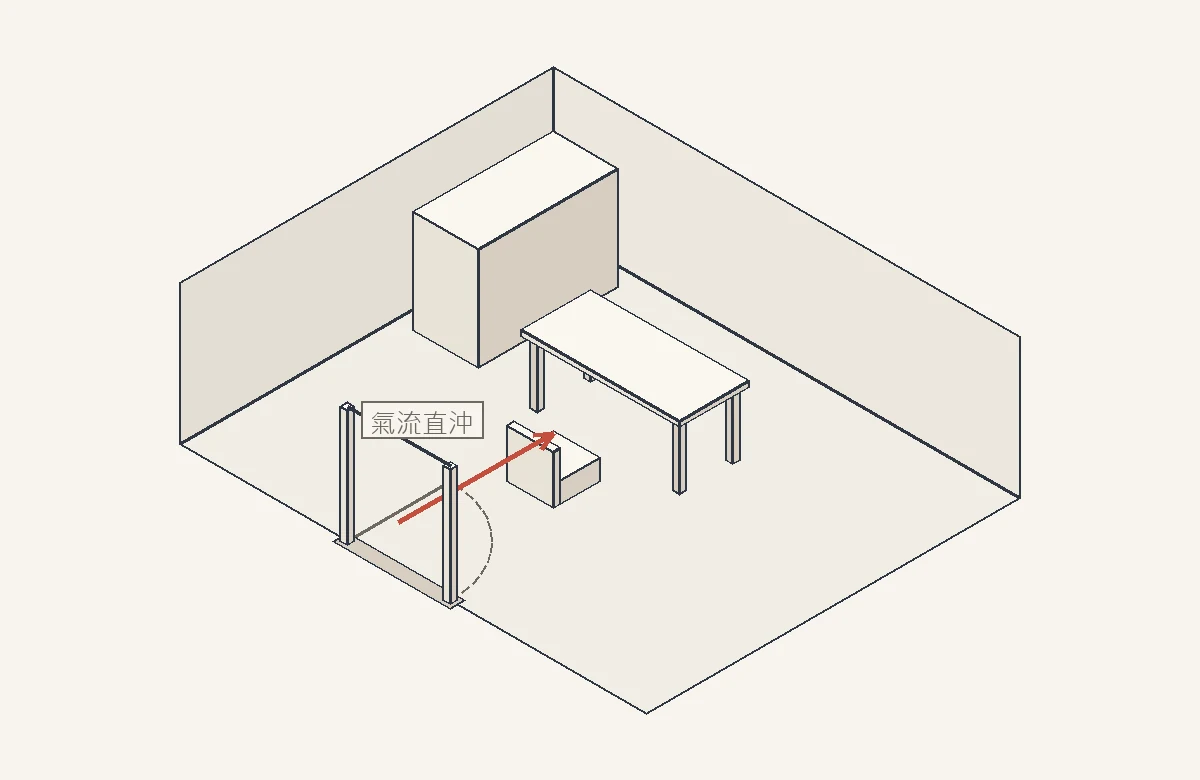
Traditional literature often warns that the stove mouth should not face a door, on the grounds that the fire may be blown out by the door draught, or that the stove god will be unsettled. In modern terms, the airflow produced when doors and windows open does indeed disturb the stability of the flame, especially when simmering over low to medium heat, when a gust of through-passage draught is enough to make the flame waver.
Another aspect less often discussed is psychological pressure. When your back is to the kitchen entrance, unable to sense people coming and going behind you, the body tenses without your noticing, and over time this affects concentration. This phenomenon is not metaphysics but a basic principle of spatial cognition. A desk with the back to the doorway and a sofa with nothing behind it are the same principle appearing in different rooms.
If the stove position cannot avoid the doorway, consider installing a half-height screen at the side of the stove, or adjusting your standing position so that you work at an angle and do not have to keep your back fully to the entrance. This costs less than changing the position of the stove body and preserves the original circulation route.
The risks and exceptions of a stove mouth facing a window
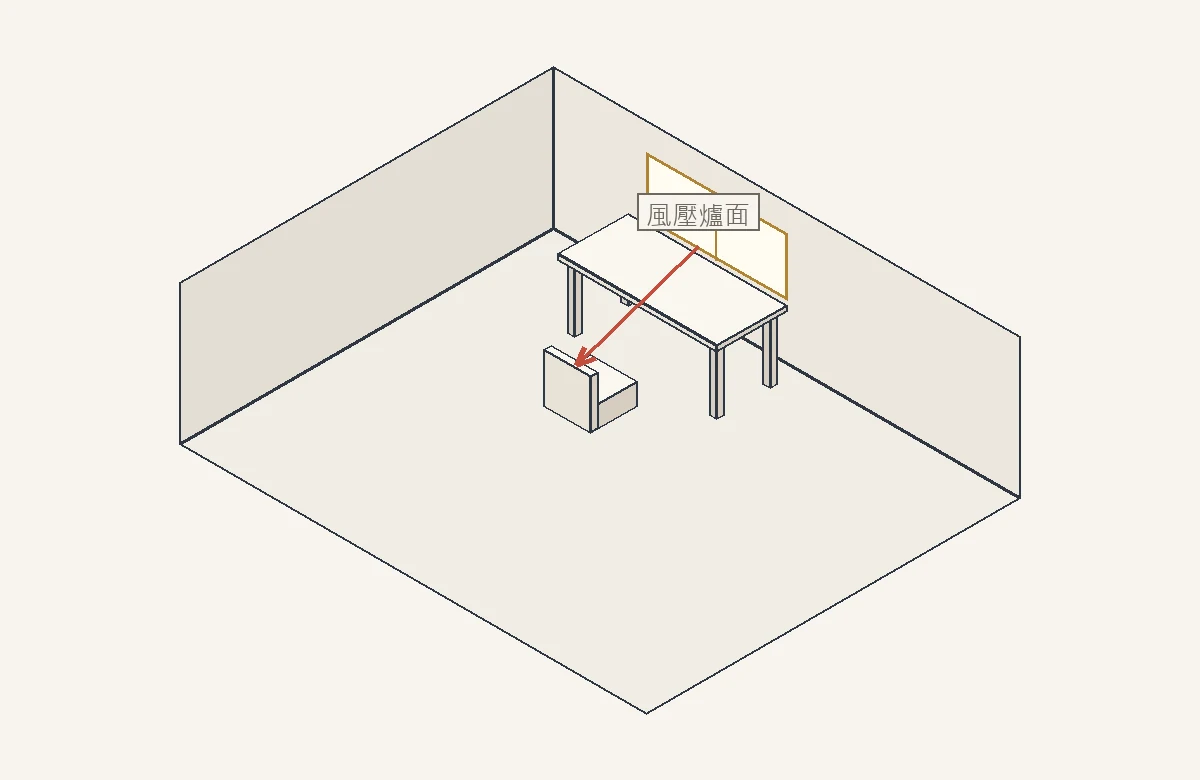
Some people like to place the stove in front of a window, thinking that the good daylight makes cooking pleasant. But if the stove mouth faces a window directly, wind blowing in from outside presses down from above, disturbing the flame and blowing cooking fumes toward the user’s face. In winter, when a window is open while soup is being cooked, the flame is blown askew and the bottom of the pot is heated unevenly, which is also a common occurrence.
However, if the window is a fixed airtight window that cannot be opened, then a stove mouth facing the window poses no airflow problem; instead it gains ample natural light, which helps you see the color and doneness of ingredients clearly. The key point in judging is whether the window can be opened, and whether, when open, the wind direction crosses the stove surface directly.
If you are unsure of the wind direction, you can test it in different seasons: boil a pot of water and observe the direction the steam drifts, which is the most direct test of the wind field at the stove mouth.
Three-step measurement: find your stove facing direction
Step one: stand in front of the stove, feet naturally apart, shoulders relaxed, and note the wall or passage your body is facing directly. If the stove is on a kitchen island, note the side where you usually stand.
Step two: trace this axis extending out from the stove surface, and note which furniture or appliances it passes. Does it cross the refrigerator door, the trash bin, the dining table, or point directly at the living room television? Objects along the axis absorb the heat and airflow of the stove facing direction, affecting its state.
Step three: observe whether there are door or window openings along this axis. If so, note the frequency of opening and the seasonal wind direction. Finally, return to the stove, close your eyes, and imagine you are focused on preparing a dish that requires timing, while someone opens a door and walks past behind you. Whether this feeling distracts you is the most important basis for judgment.
Adjustment checklist without changing the structure
If the measurement shows the stove facing direction is not ideal, there is no need to rush into knocking down walls. First adjust the stove position; some built-in gas stoves can be shifted a few centimeters within the countertop range, enough to change your standing angle.
Second, change the height of the stove grate so the center of the cookware aligns with the core of the flame. This is not a facing issue, but it can reduce flame spillover and indirectly stabilize the effect of the stove facing direction.
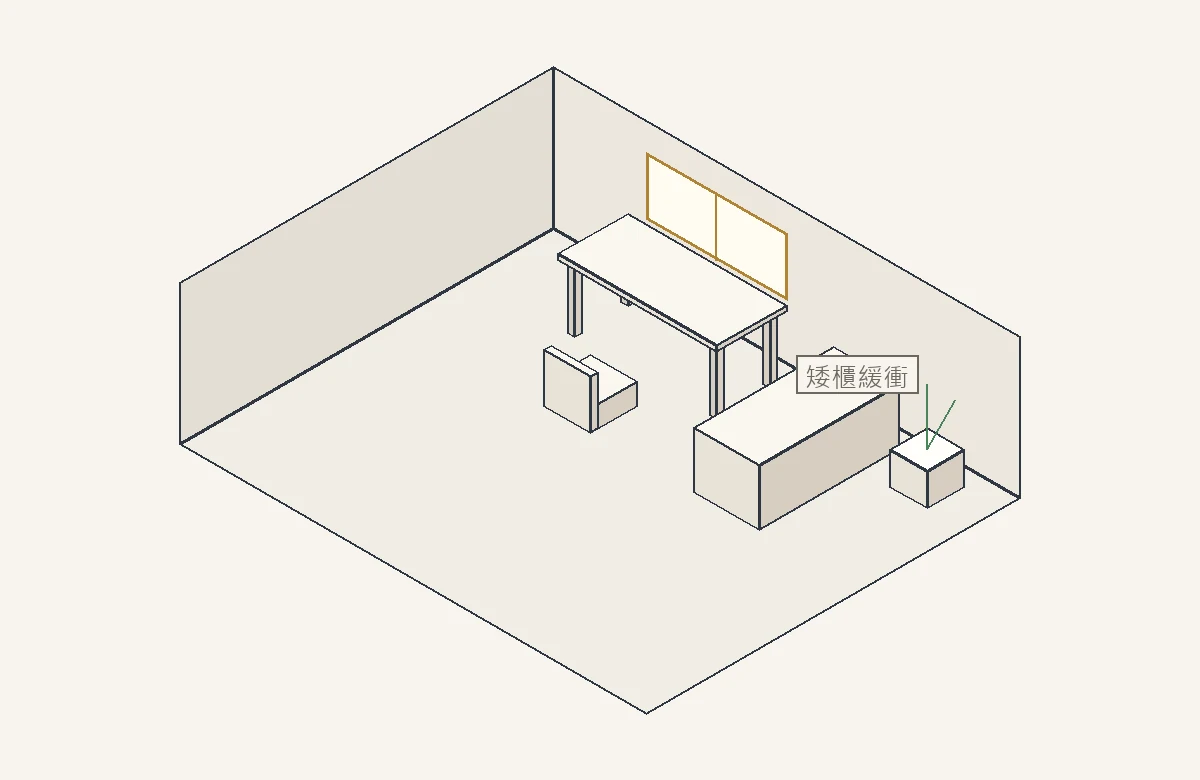
Third, place a low cabinet or plant at the end of the stove axis as a physical buffer to block the line of sight. This better meets kitchen fire safety requirements than hanging curtains.
Finally, if the home uses an induction cooker or IH stove, the concept of flame no longer exists, and the stove facing direction can be ignored entirely; just pay attention to whether the control panel faces away from the entrance.
An experiment you can do yourself
Find a weekend and cook a pot of soup that needs to simmer slowly for an hour. Stand in front of the stove, do not leave, and observe how the steam rising from the soup drifts, while also noting whether you frequently turn your head to look behind you.
After the soup is done, record the relationship between the direction the steam drifts and the direction your body faces. If the steam clearly drifts toward your face, it means the stove facing direction cannot coordinate with the suction of the range hood, and you need to adjust the stove position or the ventilation strength. If the steam rises steadily upward, the stove facing direction has reached a basic balance.
This experiment requires no compass and no almanac, only a pot of water and half an hour of focus. After doing it, you may develop a new understanding of the stove: it is not only a cooking tool, but also a node in the space that continuously releases heat and airflow.
常見問題
問Does stove mouth mean the knob panel above the stove or the ignition switch?
The stove mouth is not the knob panel above the stove, nor is it the location of the ignition switch. In a traditional stove, the stove mouth is the opening through which firewood is fed into the combustion chamber, that is, the direction in which the flame emerges.
問What effect does it have if the stove is placed against a wall?
If the stove is against a wall, you face the wall, the fire direction strikes the wall directly, and the cooking fumes rebound off the wall, with some curling back toward your face.
問What effect does it have if the stove faces a walkway or dining area?
If the stove faces a walkway or dining area, the fire direction runs through the open space, and the fumes and heat have a longer path to disperse, but at the same time they carry smells and warmth into other areas.
問Why do traditional texts often warn against the stove mouth facing a door?
Traditional texts often warn against the stove mouth facing a door, on the grounds that the fire may be blown out by the draft from the door, or that the stove god may be unsettled. In modern terms, the airflow created when doors and windows open does indeed disturb the stability of the flame, especially when cooking slowly over low to medium heat, where a draft through the room is enough to make the flame waver.
問What problem arises if the stove is placed in front of a window?
If the stove mouth faces a window directly, wind blowing in from outside presses down from above, disturbing the flame and blowing cooking fumes toward the user’s face. In winter, when a window is open while soup is being cooked, the flame is blown askew and the bottom of the pot is heated unevenly, which is also a common occurrence.