How to choose feng shui plants for the home? Start with light, location and your ability to care for them
KarmaSpace translation
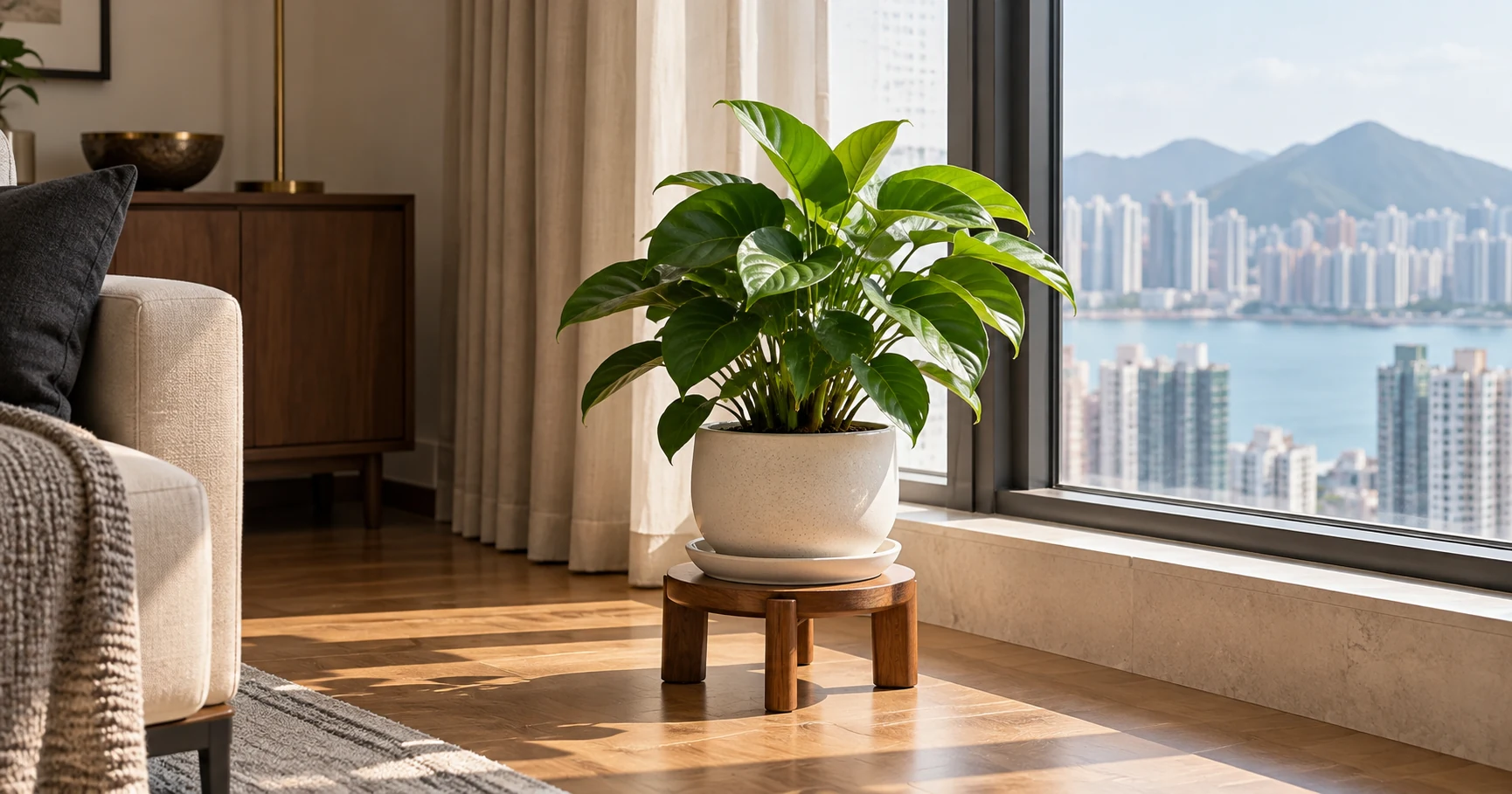
An auspicious name does not mean a plant suits every location
Names such as money tree and lucky bamboo carry auspicious meanings and are a cultural choice suitable for gifts and home decoration. But a name does not change a plant's needs for light, water and growing space, nor can it prove that placing it will increase wealth. When choosing plants, understanding the species and the conditions on site is usually more useful than first consulting a "wealth-attracting ranking."
This article does not recommend must-buy plants based on zodiac sign, nor does it directly equate pointed or round leaf tips with good or bad fortune for the household. Plants can make you enjoy a corner, but they should not be used to replace repairs, ventilation equipment, or professional health treatment.
First look at the conditions by the window, then decide which pot to buy
"Near the window" can mean the same thing, yet the spot may be blocked by the building opposite all day, or may receive direct sunlight for part of the day. Observe the intended spot at several times of day, note whether there is direct light and whether it is blocked by curtains, then check the care requirements for the actual plant species. Do not judge suitability from a single store photo alone.
If you can only provide a very dark spot, you should honestly assess whether you are willing to adjust the location or use suitable equipment, rather than buying the plant and believing that "where there is vitality, it will grow well." Before buying, confirm the scientific name and care method with reliable horticultural sources or suppliers, especially since the same common name may be used for different plants.
Potted plants should be decoration, not obstacles
Before placing a pot in its intended spot, try opening doors, pulling out chairs, mopping the floor, and walking past. Leaves that do not block the way now do not mean they still will not block it once the plant grows. Tall plants also require consideration of the stability of the pot and stand; do not place a pot that is easily knocked over in a narrow passage just to block the view of the main door.
Near electrical appliances or wooden floors, pay attention to watering and drainage arrangements to avoid water flowing where it should not come into contact. Public corridors should not be treated as an extension of indoor space either. If the original intention is to increase privacy, you can compare mirror and sightline checks and zoning in small flats; plants may not necessarily be required.
With young children or pets, check the species first
"Natural" should not be understood to mean it is safe to touch or ingest, nor should the category of "feng shui plant" alone be used to judge whether it suits a household with pets. First confirm the species, then check with suitable horticultural, veterinary, or related professional sources; if you cannot confirm, do not place it where it can easily be bitten, picked, or knocked over. This article does not provide a list of edible or non-toxic species.
AI-generated images are not a plant identification tool, and blurred photos or common names should not be used for safety judgments. If ingestion or physical discomfort is involved, seek relevant professional help rather than interpreting it as a plant conflicting with your destiny.
Yellowing plants do not mean the household fortune is declining
When leaf condition changes, first review the species' requirements, recent watering, light, and environmental changes, and if necessary ask someone familiar with that species for help in assessing the situation. Directly interpreting plant growth problems as a sign of financial loss neither helps with care nor may it cause unnecessary anxiety.
If you travel often or do not want to care for plants regularly, having fewer pots or even none at all can be a reasonable choice. Decorative plants also need cleaning and stable placement, but there is no need to attach "vitality/no vitality" wealth guarantees to them. What is truly worth keeping is an arrangement that fits your way of living and that you can care for properly.
Further reading and content notes
For meanings related to attracting wealth, you can refer to the difference between three terms for the wealth corner; if you cannot alter the layout of the unit, see the order of feng shui adjustments for rented homes.
This article was produced with AI assistance, and the images are conceptual illustrations; the content covers general placement considerations and is not plant diagnosis, toxicity identification, or medical advice. Traditional meanings do not represent proven effects.
常見問題
問Must a money tree be placed at home for wealth to flourish?
No, and there is no such financial guarantee. Auspicious names for plants are cultural symbolism; decisions should first be based on species, light, space, and care capacity.
問Does a yellowing plant mean bad feng shui?
This cannot be inferred. First check the species' care requirements and environmental changes, and seek horticultural help if necessary; do not treat growth problems as a sign of financial fortune.
問If there are cats or dogs, can I buy plants based only on feng shui recommendations?
This should not be done. First confirm the actual species, and check the risks of contact and ingestion with a reliable veterinarian or related professional sources; AI images and auspicious common names cannot replace safety judgments.