How to Read Hong Kong's Maritime Silk Road Heritage Trail: Tin Hau and the People of Joss House Bay
KarmaSpace translation
Three ways to read the 18 Hong Kong heritage sites
On 2026-11-25, Guangdong, Hong Kong and Macao launched the "Greater Bay Area Maritime Silk Road Heritage Thematic Trail" at a cultural heritage exchange event in Guangzhou. In a speech published the same day, Secretary for Development Bernadette Linn stated that the Hong Kong section covers 18 historic buildings and archaeological sites, divided into "Trade Transit", "Sea Route Escort" and "Convergence of Faiths". The Secretary said information panels have been set up at sites along the Hong Kong section, with QR codes linking to textual information and audio guides from the Antiquities and Monuments Office. Metro News reported the news that afternoon, with information from a government press release. [Sources 1, 2]
These three themes can be viewed with different questions in mind. At a site, one can ask where goods came from and where they stopped; at a navigation or coastal defence facility, who was responsible for identifying sea routes or guarding the port; at a temple, who visited, what was worshipped, and how beliefs and customs spread with the flow of people. The Antiquities and Monuments Office previously used the Tai Miu Wan Tin Hau Temple to illustrate Hong Kong's maritime religious exchange. This article follows that example as a reading case; the speech on 11-25 did not list the 18 stops one by one, and the trail arrangement of individual sites should be checked against on-site information panels or the official list. [Sources 1, 3]
What the rock inscription records and what the bay can tell us
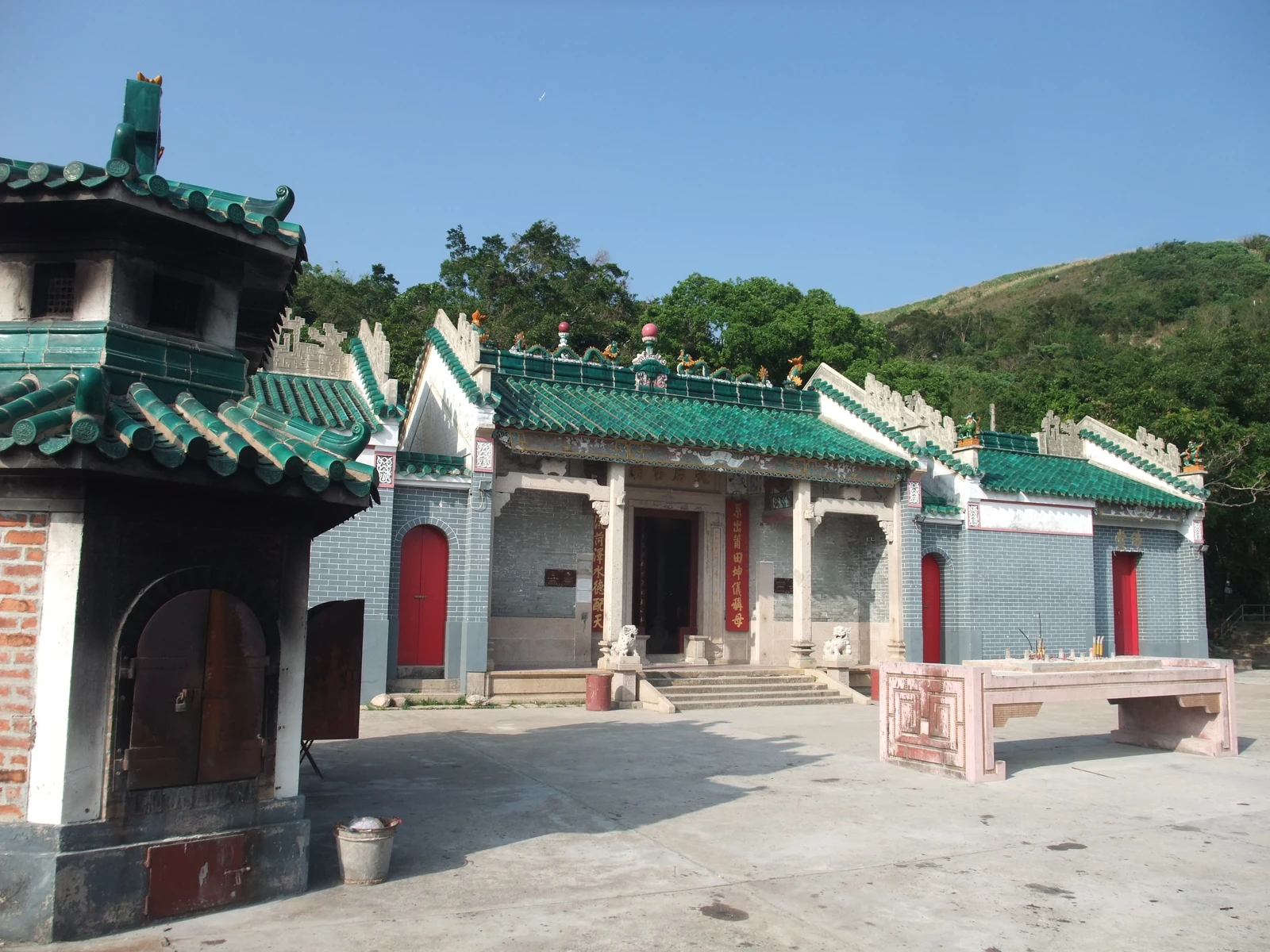
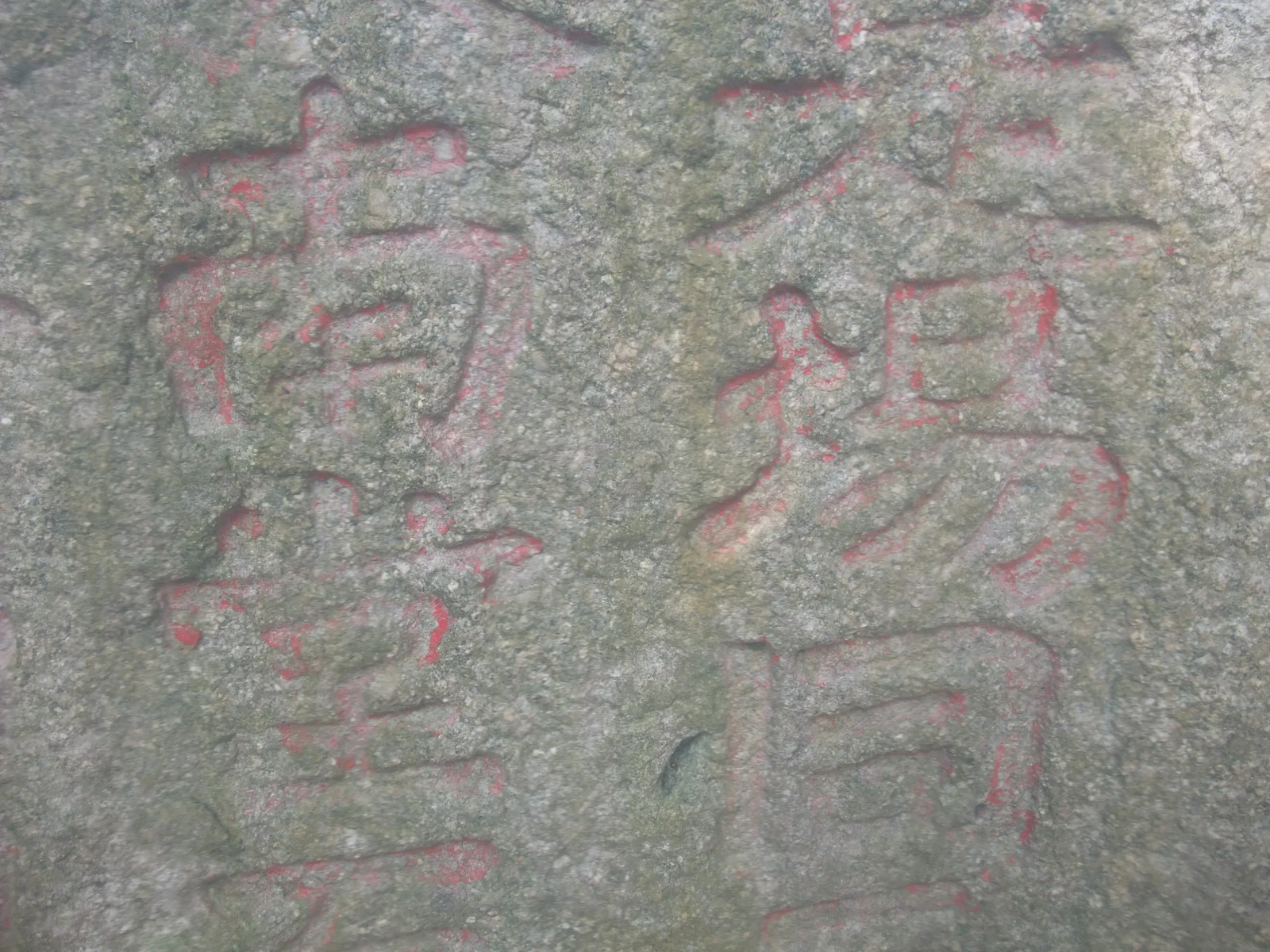
The Fat Tong Mun Tin Hau Ancient Temple in Sai Kung is located on the north shore of Fat Tong Mun, commonly known as Tai Miu. The Antiquities and Monuments Office notes that it is one of the few Tin Hau temples in Hong Kong still facing the sea, and it was declared a monument in 2023. On the hillside behind the temple is a rock inscription at Tai Miu Wan carved in 1274, recording a Southern Song salt official and friends visiting North and South Fat Tong. The rock inscription has been a declared monument since 1979, and it and the ancient temple are two heritage items each with their own conservation records. 1274 is the year recorded on the rock inscription. To ask which parts of the temple as seen today were built when, one must also cross-reference the various renovations, building components and door lintel inscriptions. [Sources 4, 5]
When visiting, one can first look from publicly accessible positions at the relative location of the temple forecourt and Tai Miu Wan, then compare with dated maps, noting the coastline, strait and entrances and exits. Reading through the traditional feng shui concept of form and configuration, one can raise questions about the relationship between mountains, water and buildings. As for whether the temple builders chose the site according to a particular method of setting orientation, support from construction or renovation records is needed. The location of the bay, the wishes of worshippers and the decisions of the builders each have materials that can be checked. [Sources 4 to 6]
What the journey between Tin Hau and Hung Shing temples tells us
The Chinese Temples Committee records that Tai Miu observes the main birthday of Tin Hau on the 23rd day of the third lunar month, with a Tai Ping Ching Chiu held over the days before and after. The management committee invites the travelling image of the main deity from the Po Toi O Hung Shing Temple to take part in the Ching Chiu rites. A travelling image is a deity statue used for festival processions. From this it can be seen that beliefs and customs, besides relying on a fixed temple as their base, are also sustained jointly by nearby villages, temple management committees and worshippers. Praying for safety at sea is the wish of worshippers; actual sea journeys must still be arranged according to weather, transport and safety. [Sources 4 to 6]
The temple's main birthday date and each year's public event times should be checked separately. The 23rd day of the third lunar month can be converted using a Gregorian-lunar conversion table. To know which ceremony can be observed and whether there are temporary transport or opening arrangements, one should consult that year's temple notices. Writing the date of a prayer event clearly also helps later to distinguish the annual custom from a particular year's arrangements. [Source 6]
Along the way, cross-check using three kinds of materials
At any stop, one can note down one item each: the terrain seen on site, the artefact year recorded on the display panel, and the use or opening arrangements announced by the temple. For example, on seeing that the temple faces the bay, one can compare with plans and old maps. On seeing a "date", one can ask whether it belongs to the rock inscription, a renovation or a gazettal. On hearing a prayer saying, one can ask who said it and on what occasion. If an information panel is beside the temple door, first give way to the passage, then follow on-site guidance for using the audio guide or taking photos.
The Chinese Temples Committee's standing page lists the opening hours of Tai Miu as from 8 am to 5 pm, and includes public transport directions from Po Lam. When festivals, weather or transport change, check with the temple and the operator again before setting out. To compare old temples against a changed coastline, see Wan Chai Hung Shing Temple and the Old Shoreline. To trace how Mazu worship customs have been exchanged across places, further reading is available at Yau Ma Tei Tin Hau Temple at the Mazu Culture Forum. [Source 6]
Common questions
QAre all 18 sites temples?
The Development Bureau states that the Hong Kong section includes historic buildings and archaeological sites, and is divided into three themes: trade and commerce, maritime escort, and religious exchange. To confirm whether an individual site is included in the trail, compare the on-site information panels with the official site information.
QDoes the Joss House Bay rock inscription date the temple to 1274?
The 1274 year is the date recorded in the rock inscription and provides a clue to the history of the old temple's location. The surviving temple has undergone repeated renovations, and the dates of its various parts must be checked against inscriptions and heritage data.
QCan facing the sea prove which school of feng shui the temple used?
Facing the sea is a spatial relationship that can be verified. To confirm the method of setting the orientation or the feng shui school, materials left at the time of construction or renovation would still need to be found.
QIf I visit the temple on an ordinary weekday, can I see the Tin Hau Festival rituals?
The temple lists the main festival day as the 23rd day of the third lunar month, with related rituals in the days before and after. Weekday opening, festival procedures and the parts visitors may join depend on the temple's announcements for that year.
Sources
- Government Press Release | Speech by the Secretary for Development at a cultural heritage exchange event in Guangzhou · Published on 2026-11-25 at 13:33 (Hong Kong time); the event was held the same day. Check the trail launch, the 18 sites in the Hong Kong section, the three themes and the information panel arrangements.
- Metro News | Guangdong-Hong Kong-Macao Greater Bay Area cultural heritage exchange event launched in Guangzhou · Published on 2026-11-25 at 13:33, updated at 13:59. The report cites a government press release and is not an independently verified list of sites.
- Antiquities and Monuments Office | Hong Kong's Links with the Maritime Silk Road · Published on 2023-1-5. Explains Hong Kong's relationship with the Maritime Silk Road through ports, excavated ceramics, coastal defence facilities and religious buildings.
- Antiquities and Monuments Office | Tin Hau Old Temple, Fat Tong Mun, Sai Kung · Standing information on a declared monument; no separate publication date is listed. Check the temple address, the surviving sea-facing layout and its declaration as a monument in 2023.
- Antiquities and Monuments Office | Tin Hau Old Temple, Fat Tong Mun, Sai Kung, the largest of its kind in Hong Kong · Published on 2023-9-14. Check the 1274 rock inscription, the renovation inscription at the temple gate and the use of the Tin Hau travelling image.
- Chinese Temples Committee | Tin Hau Old Temple, Fat Tong Mun, Sai Kung · Standing information from the temple's management body; no separate publication date is listed. Verified the temple address, opening hours, transport, Tin Hau Festival, and the custom of inviting and carrying the Hung Shing image in procession.
- Cover photo | Fat Tong Mun Tin Hau Old Temple (Minghong) · Photographed by Minghong on 2009-5-17 at Tai Miu Wan. The photo was resized and converted to WebP, with the original composition retained, and released under CC BY-SA 4.0.
- Body photo | Tai Miu Wan rock inscription (Minghong) · Photographed by Minghong on 2009-5-17 at Tai Miu Wan. The photo was resized and converted to WebP, with the original composition retained, and released under CC BY-SA 4.0.
- Photo license | CC BY-SA 4.0 · This license applies to the original files of both photos and the versions used in this article.