From local features to address navigation, first understand the culture, then arrange an in-person visit. Folk beliefs are not a guarantee of results; opening and event arrangements are subject to on-site and official announcements.
Half-day cultural walk suggestions
The following are suggestions for stops if you arrange your own itinerary; they are not guided tours. Please adjust according to transport, weather, your energy levels and the opening conditions on the day.
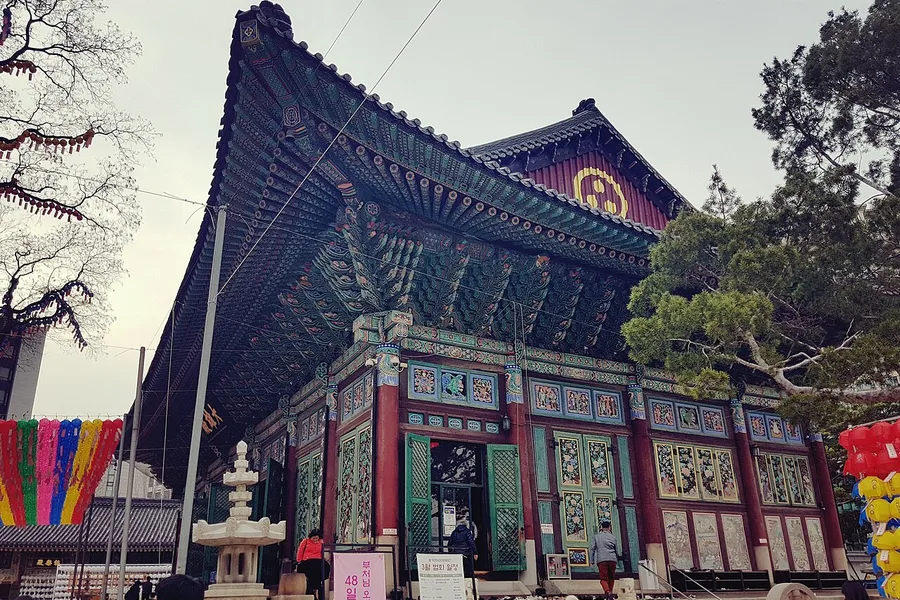
Korean Buddhism and Yeondeunghoe CultureJongno-gu, Seoul
A Jogye Order temple in central Seoul, suitable for learning about everyday worship and seasonal decorations in Korean Buddhism. Temple activities may change visitor routes; please respect on-site rituals.
Urban Zen Temple and Temple ExperienceGangnam-gu, Seoul
A Buddhist temple situated among the urban buildings of Gangnam, showcasing Buddhist architecture, tea, and Zen practice culture. Temple experience activities require separate registration according to official regulations.
Jongmyo preserves the ancestral ritual space of the Joseon royal family and is a place to learn about Confucian ritual systems and wooden architecture. Admission and guided tours may have restrictions; please check the official reservation rules before departure.
A Buddhist Space in Seongbuk-dongSeongbuk-gu, Seoul
The temple was converted from an old building into a Buddhist practice space, and its environment differs from temples in the city center. You can quietly appreciate the garden; activities and opening arrangements are subject to the temple's announcements.
Mountain-foot Zen Temple and Temple ExperienceGangbuk-gu, Seoul
The temple at the foot of Samgaksan has a forest atmosphere and also offers different forms of temple experiences. Itineraries and fees may vary with activities; please confirm with the temple.
A temple near Bukhansan, suitable for learning about temple architecture and food culture. Arrangements for getting to the mountain foot and participating in activities differ; please check official information in advance.
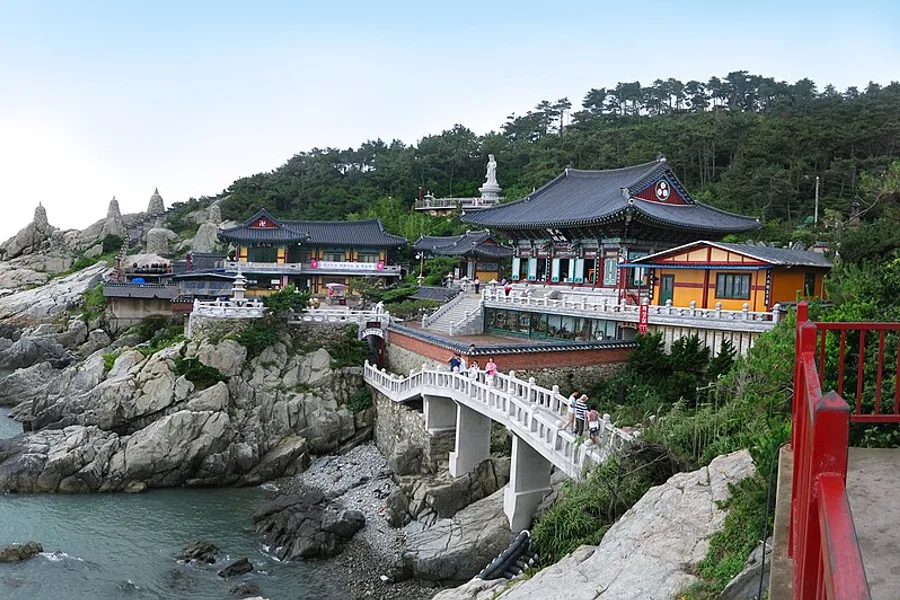
The temple is built along the coastal rocks and stairs, unlike the typical mountain temple scenery in Korea. Sea winds, waves and crowds can affect the visit experience; please watch your step and check the day's weather.
An ancient temple at the foot of Geumjeongsan, retaining many Buddhist buildings and cultural heritage sites. It can be combined with a forest walk, but the temple experience and hiking need to be planned separately.
Silla Buddhist architectureGyeongju-si, Gyeongsangbuk-do
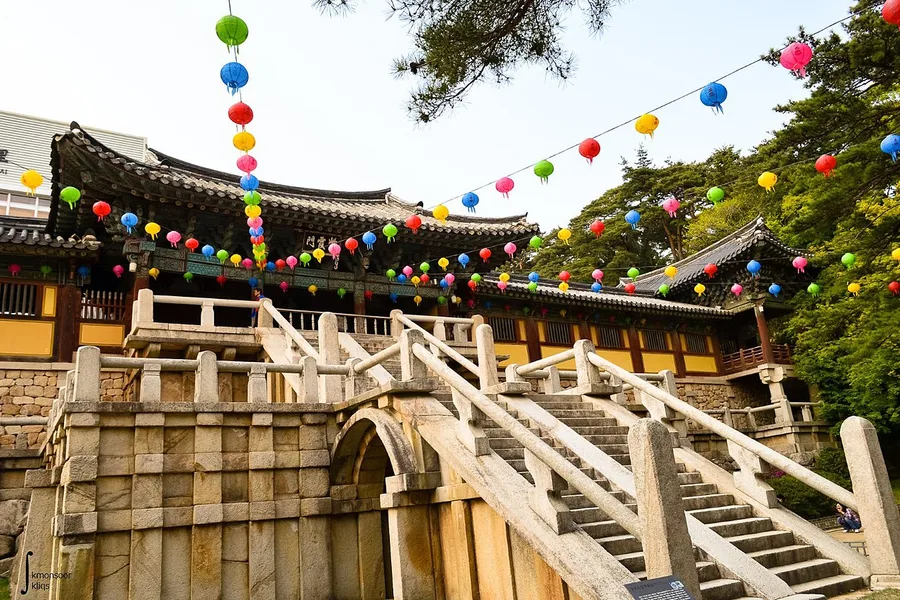
Bulguksa Temple presents Silla Buddhist art through stone bridges, pagodas and halls, and is a World Heritage Site along with Seokguram Grotto. The two are separated by a stretch of mountain road; please check transport arrangements for each separately.
385 Bulguk-ro, Gyeongju-si, Gyeongsangbuk-doOpen in Maps →
Granite grotto and Buddha statueGyeongju-si, Gyeongsangbuk-do
The grotto on the mountain enshrines a Buddha statue and is an important heritage of Silla Buddhist sculpture. Getting there from Bulguksa Temple still requires separate transport or a walking trail, and it should not be treated as a short stroll within the temple grounds.
238 Seokgul-ro, Gyeongju-si, Gyeongsangbuk-doOpen in Maps →
Buddhist scriptures and mountain templeHapcheon-gun, Gyeongsangnam-do
Haeinsa Temple in Gayasan is closely associated with the preservation of Buddhist scriptures. Visits to facilities related to the scriptures may be subject to special restrictions; please first check announcements from the temple and cultural heritage authorities.
122 Haeinsa-gil, Hapcheon-gun, Gyeongsangnam-doOpen in Maps →
Guanyin faith and East Sea sceneryYangyang County, Gangwon Special Self-Governing Province
The temple faces the East Sea and is known for its Guanyin faith and coastal scenery. Visiting involves walking uphill and outdoor sections, so please plan according to the weather and your physical condition.